
African Responsible Mining Outlook (ARMO)
- Africa stands at the heart of the global energy transition, endowed with critical minerals powering renewable energy, electric mobility, digital technologies and a new era of industrial development. Yet behind every mineral lies a story of communities, workers, livelihoods, water, human rights and ecosystems.
- The African Responsible Mining Outlook (ARMO) is an independent, Africa-led platform bringing these stories to the centre of mining conversations.
- Published annually, ARMO will provide a consistent and evolving platform for documenting progress, lessons, emerging challenges and opportunities in responsible mining across Africa.
- It connects community voices and lived experiences with research, policy analysis, responsible mining standards and expert perspectives.
- ARMO seeks to inspire a mining future where mineral wealth creates shared prosperity, strengthens accountability and protects people, communities and ecosystems for generations to come.
1. ABOUT ARMO
- The African Responsible Mining Outlook (ARMO) responds to a critical gap in conventional mining reporting, which often prioritizes production, investment, commodity prices and mineral supply while overlooking social, human rights and environmental realities.
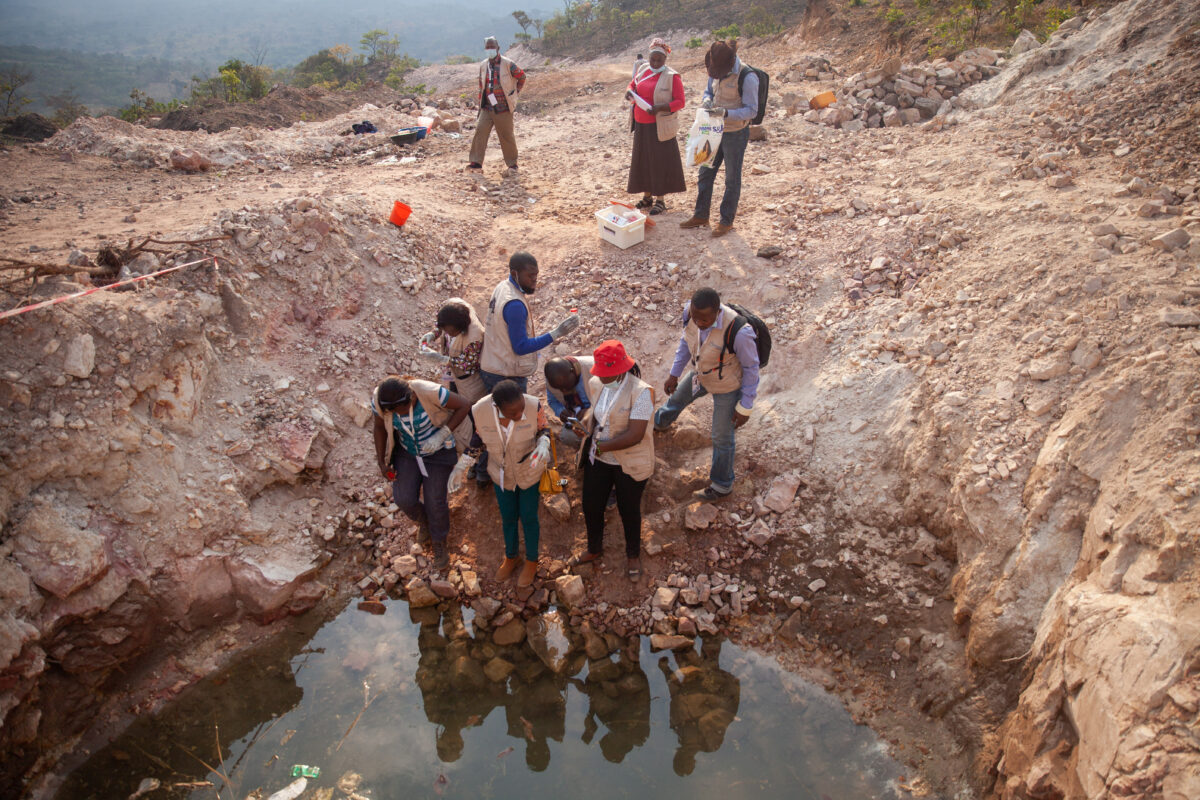
- ARMO centres community experiences, human rights, water security, environmental governance, worker safety, gender equality and meaningful participation, ensuring that people affected by mining are part of the wider narrative.
- It brings together community evidence, country research, policy analysis, case studies and expert perspectives to provide a balanced, evidence-based African narrative on responsible mining.
- ARMO assesses emerging trends, progress, challenges and opportunities across Africa’s mining sector and tracks how responsible mining practices are evolving over time.
- Over the years, ARMO will develop into a trusted data and knowledge hub for Africa’s responsible mining issues, preserving valuable evidence, research, experiences, case studies and analysis for policymakers, researchers, communities, companies, investors, civil society and development partners for generations to come.
- It examines progress against frameworks including the African Mining Vision, EITI, IRMA and international accountability principles, supporting more transparent, inclusive, equitable and responsible mining across Africa.
2. AFRICA’S MINING JOURNEY
- Africa’s mining journey represents opportunity, complexity and transformation, contributing to economies, employment, infrastructure and international trade.
- At the same time, some mining communities experience land pressures, displacement, pollution, water insecurity and environmental degradation.
- The emergence of critical minerals creates an opportunity to transform how mineral development is planned and implemented.
- Responsible mining must protect human rights, ecosystems and communities while promoting decent work, gender equality and shared economic opportunities.
- In this context, the African Responsible Mining Outlook will accommodate the stories of Africa’s mining sector to the world for knowledge and building more collaborations in efforts to improve the sector with shared responsible mining practices.
3. ARMO 2026: CALL FOR CONTRIBUTIONS
The inaugural African Responsible Mining Outlook (ARMO) 2026: Progress. Lessons. Opportunities will be the first publication of its kind under the ARMO platform, scheduled for release in February 2027 and launched through selected international platforms across Africa and globally.
- PDI and AFREWATCH invite diverse contributions from across Africa to strengthen evidence, learning and dialogue on responsible mining.
- Contributions welcomed: Community stories, case studies, mining sector analyses, lived experiences, expert perspectives, policy reviews, features, special features, thematic research and other relevant forms of contribution.
- Key themes: Critical minerals, human rights, water, mine tailings, environmental governance, gender equality, artisanal and small-scale mining, community participation and responsible investment, alongside other emerging issues shaping responsible mining in Africa.
- Purpose: Contributions will showcase progress, document challenges and lessons, amplify community voices and identify practical opportunities for advancing responsible and sustainable mining across Africa.
- Acknowledgement: All selected contributors and their submissions will be appropriately acknowledged in ARMO 2026, recognizing the knowledge, experiences and evidence they contribute to strengthening responsible mining dialogue and practice.
- Publication & Launch: The inaugural Outlook will be published in February 2027 and launched and showcased across key African, international and global platforms, creating opportunities to influence policy, strengthen accountability, share knowledge and advance responsible mining across the continent and beyond.
4. RESEARCH & PUBLICATIONS
- ARMO is designed as a long-term African knowledge platform producing accessible evidence for responsible mining and public accountability.
- Publications will include annual Outlooks, country briefs, thematic reports, community case studies, policy briefs, research papers and expert perspectives.
- Research combines community evidence, interviews, policy analysis, company disclosures, environmental documentation, regulatory information and international standards.
- Priority areas include critical minerals, mine tailings, water governance, human rights, gender, artisanal mining, environmental defenders and responsible supply chains.
5. THEMES
- Critical Minerals & Energy Transition: Africa’s strategic role in critical mineral supply chains, energy transition, value addition, resource governance and equitable development, with particular attention to cobalt, copper, lithium, graphite, nickel, manganese, rare earth elements, uranium, platinum-group metals and other minerals critical to Africa’s industrial and energy future.
- Communities, Human Rights & Water: Land rights, livelihoods, meaningful participation, access to safe water, environmental stewardship, community benefits and accountability.
- Safety, Environment, Gender & ASM: Mine safety, tailings management, biodiversity protection, climate resilience, gender equality, women’s participation and responsible artisanal and small-scale mining.
- Economic Benefits, Civic Space & Supply Chains: Local employment and procurement, fair benefit sharing, civic space, protection of human rights and environmental defenders, responsible sourcing, due diligence, transparency and corporate accountability.
- Minerals of Interest & Emerging Opportunities: The Outlook will explore the governance, social, environmental and economic dimensions of cobalt, copper, lithium, graphite, nickel, manganese, rare earth elements, uranium, platinum-group metals, gold, diamond, iron ore and other strategically important minerals, recognising Africa’s diverse mineral endowment and evolving role in global supply chains.
6. NEWS & INSIGHTS
- Responsible mining requires continuous attention, not only an annual publication or periodic research report.
- ARMO’s News and Insights section will follow developments through expert commentary, community perspectives, interviews, policy updates and research highlights.
- Particular attention will focus on critical minerals, environmental governance, community rights, water, mine safety, responsible investment and human rights.
- The section will connect current mining developments with evidence, analysis and perspectives emerging from communities and across Africa.
7. PARTNERS
- ARMO brings together African civil society organizations, communities, researchers, universities, mining experts, journalists and responsible mining practitioners.
- The platform is coordinated by Population and Development Initiative (PDI), Tanzania, and AFREWATCH/AFREWATCH International, alongside country partners and thematic experts.
- Partners can contribute research, community stories, data, technical expertise, peer review, dissemination support or strategic resources.
- Partnership opportunities include Country, Research, Community, Knowledge, Strategic and Funding Partnerships, united by shared evidence and responsibility.
8. GET INVOLVED
- Communities: Share experiences, evidence and stories from mining areas, ensuring community voices and lived realities shape responsible mining discussions.
- Civil Society & Researchers: Contribute assessments, advocacy evidence, studies, datasets, research, case studies and expert perspectives that strengthen knowledge and accountability.
- Companies, Investors & Governments: Share responsible practices, engage constructively with evidence, strengthen transparency, demonstrate accountability and contribute to informed policy dialogue.
- Development Partners & Journalists: Support independent knowledge production, promote evidence-based reporting and amplify credible evidence and community voices across Africa.
- Sponsors & Partners: Support the production, dissemination and sustainability of ARMO through financial or in-kind contributions, strategic partnerships, research support and visibility, helping expand Africa-led knowledge and dialogue on responsible mining.
9. CONTACT
- African Responsible Mining Outlook: An Africa-led platform coordinated by Population and Development Initiative (PDI), Tanzania, and AFREWATCH/AFREWATCH International.
- General Inquiries & Partnerships: africamining55@gmail.com
- PDI Tanzania: pdi4community@gmail.com | www.pdi.or.tz
- AFREWATCH International: e.ngang@afrewatch.org
- www.afrewatch.org
Afrewatch Launches Report on China Resource for Infrastructure (R4I) Model
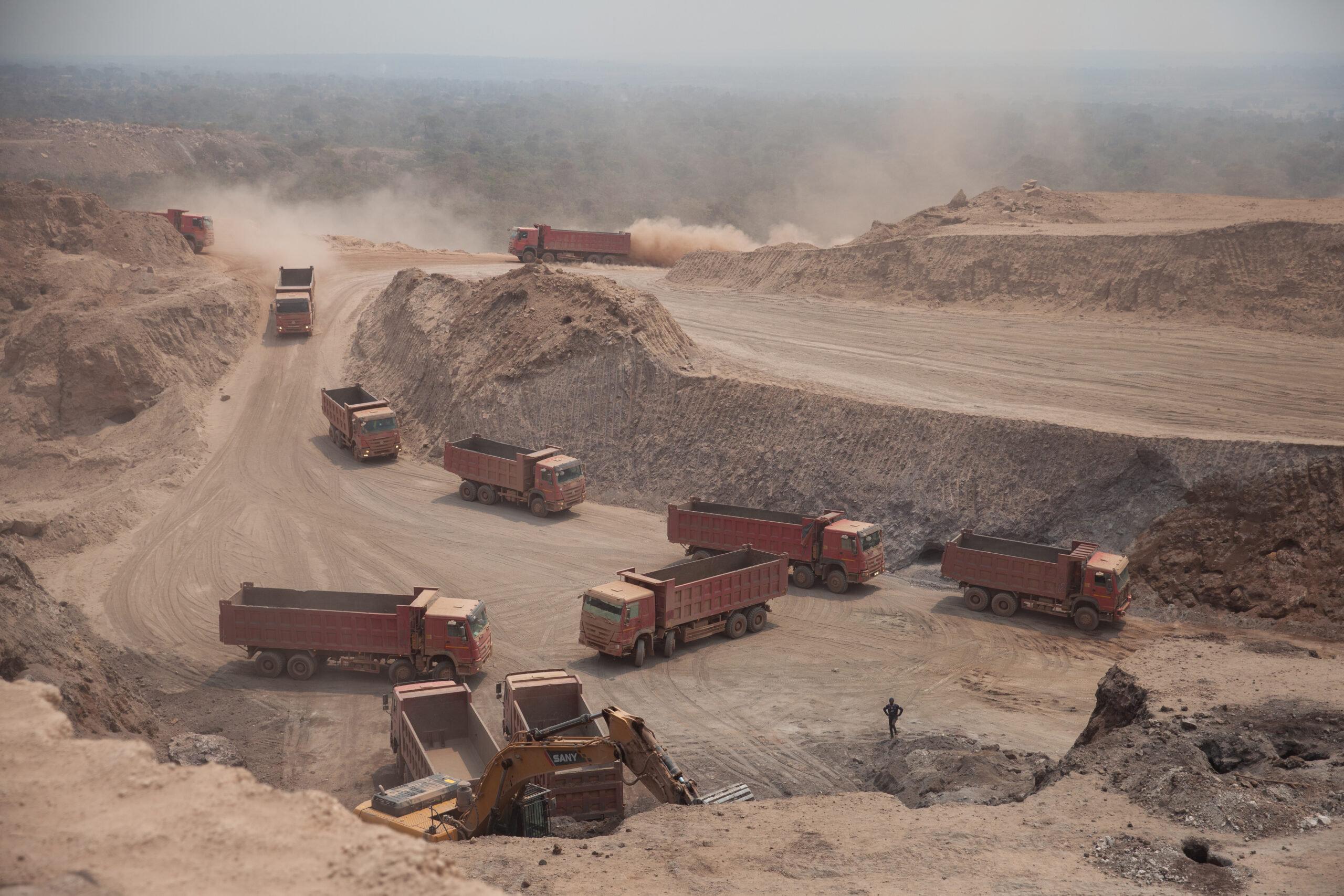
Afrewatch International published its comparative study across five countries including Cameroon, Democratic Republic of Congo, Guinea, Zambia and Zimbabwe. on the structuring and implementation of the China’s Resources-for-Infrastructure (R4I) Model, which examined its contributions and constraint to the Transformational development of these countries.
R4I models link infrastructure financing and delivery to future resource revenues or collateralised mineral concessions. Their contemporary resurgence is closely associated with China’s expanding role in resource-rich countries’ infrastructure and extractive sectors within the framework of its Belt and Road Initiative (BRI). In some African countries, these partnership model intensified from the mid 1990s, driven by a convergence of interests with the governments seeking flexible, large-scale infrastructure finance, while China aims to secure long-term access to strategic minerals critical for industrial upgrading and the global energy transition. The accelerating global push toward decarbonisation has further elevated the importance of R4I arrangements, as demand for transition minerals such as lithium, cobalt, copper, and nickel rises sharply. The report illustrates both the opportunities and risks associated with R4I in the context where China is shifting its policy engagement with resource-rich countries from mega project to small-but-built for purpose projects. Download full report here.
Afrewatch International organises US Donor Tour
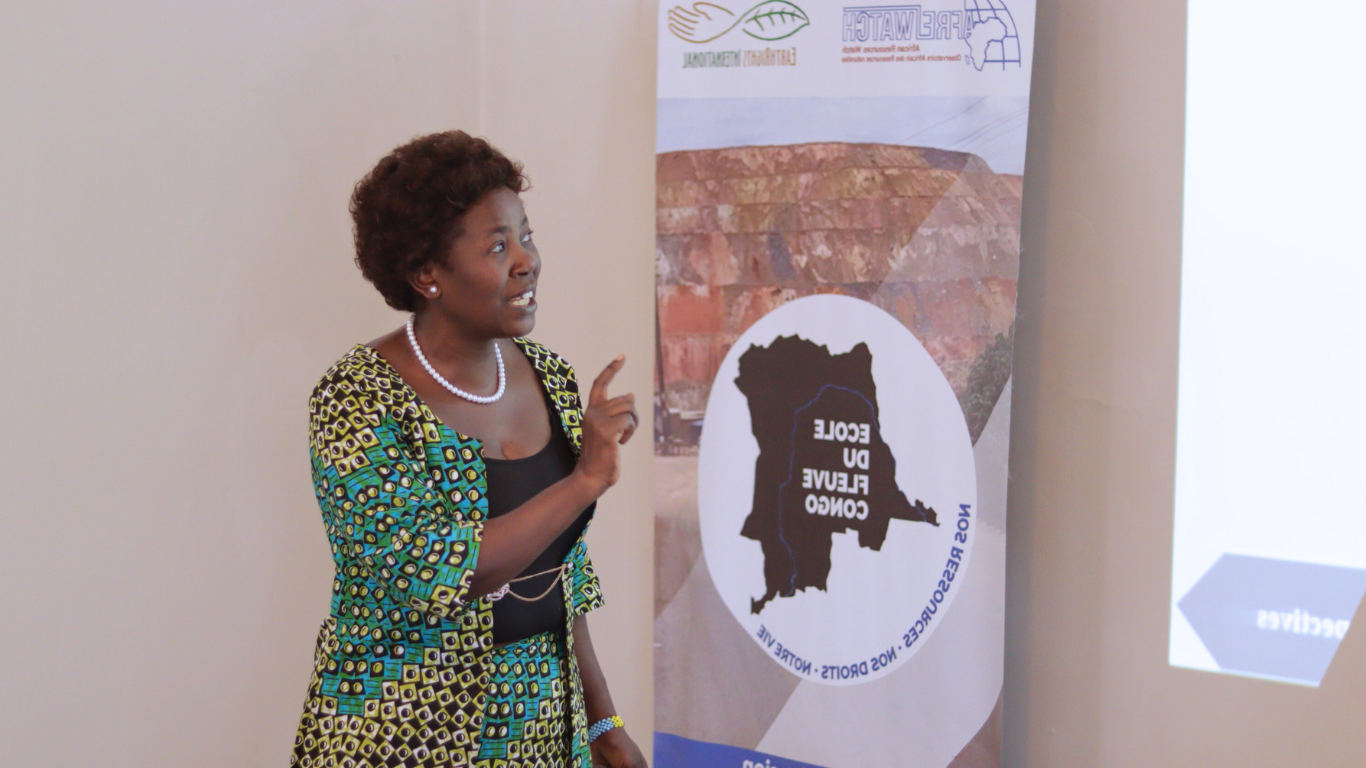
Afrewatch International and Afrewatch Partner is organising a high-level donor and civil society (CSOs) tour from April 20-24, 2026. As Afrewatch International marks its transition into a U.S.-registered 501(c)(3) organization, this tour is a key moment in our 2026 U.S. engagement. As part of the tour, a donor and CSO convening for a focused dialogue on advancing accountable governance, natural resource transparency, and community-centered development in the Democratic Republic of Congo and beyond.
The session will introduce Afrewatch international work, share field-based insights, and create space for open exchange on priorities, challenges, opportunities for transformational partnerships and collaboration.
2026 Leaderboard Report: Automaker scorecard shows an even cleaner EV is within reach
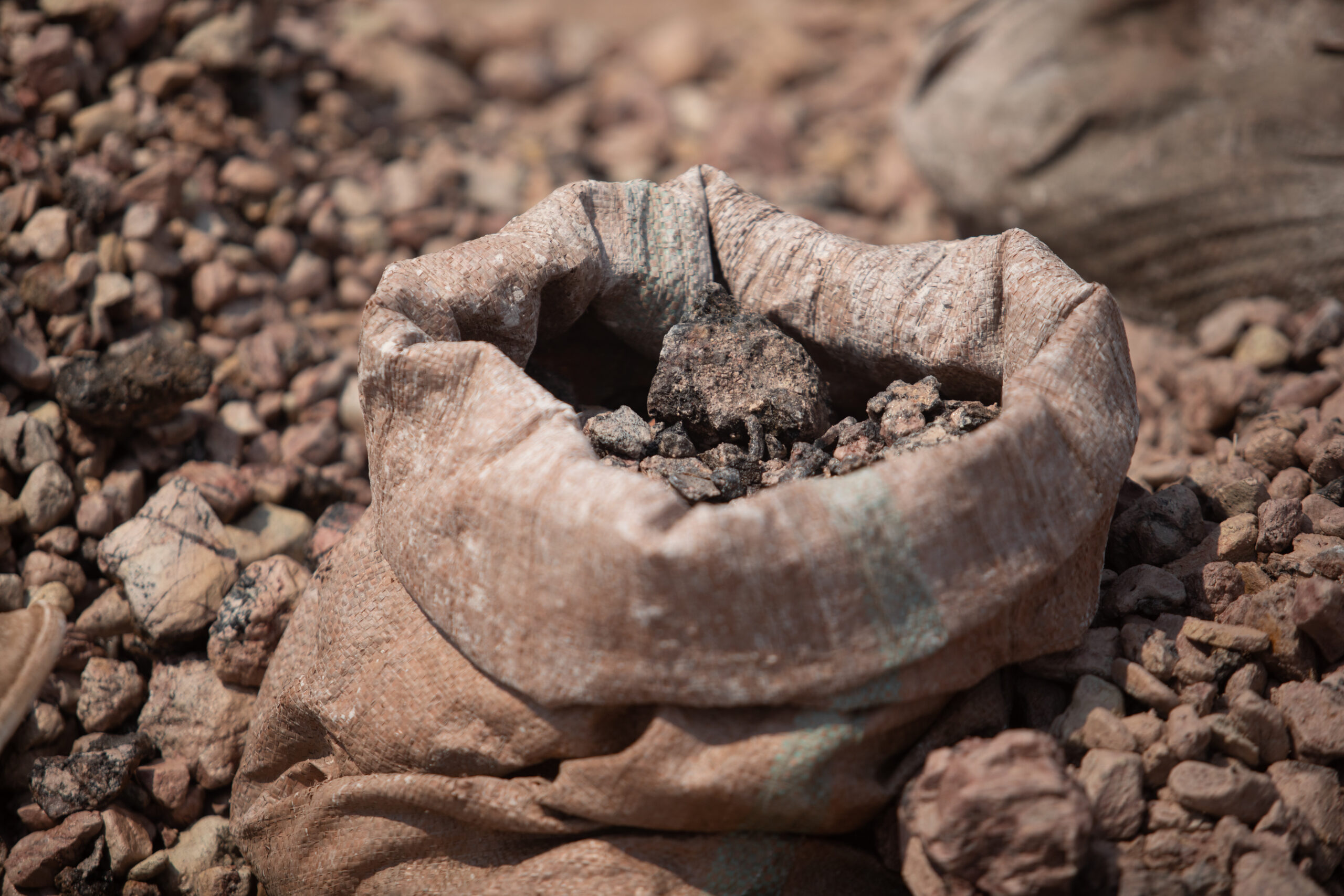
Momentum is building towards an even cleaner electric vehicle (EV), which doesn’t just run on electricity but is built with circular practices and decarbonized materials, while minimizing negative impacts on the environment, workers and communities, according to a scorecard of 18 global automakers.
The fourth edition of the Lead the Charge Auto Supply Chain Leaderboard, which ranks global automakers based on their efforts to build equitable, sustainable, and fossil-free supply chains for electric vehicles, shows a majority of automakers are now taking important initial steps to clean up their supply chains. Download full article here.
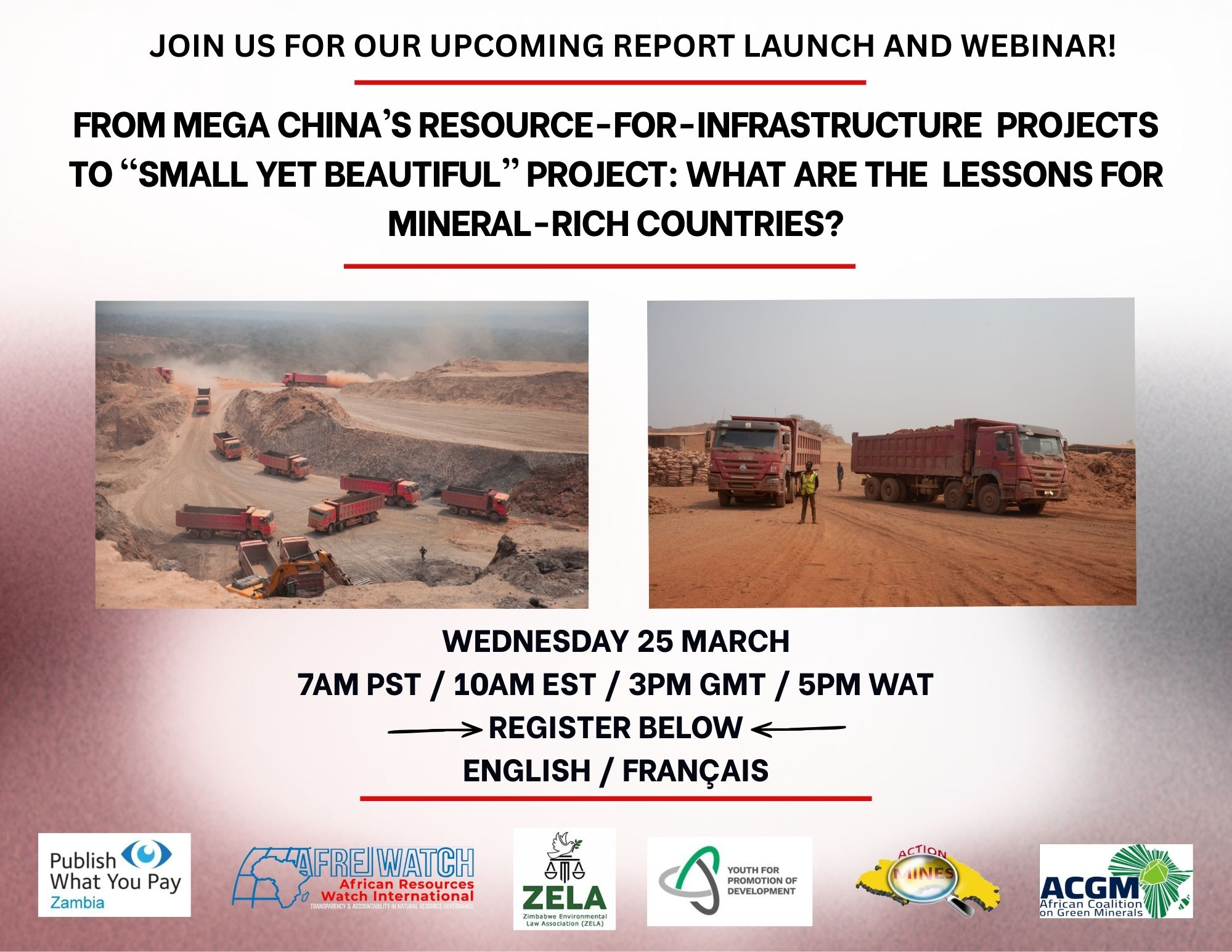
Join our upcoming report launch and webinar!
From Mega China’s Resource-for-Infrastructure (R4I) Projects to “Small Yet Beautiful” project: What lessons for mineral-rich countries?
China’s Resource-for-Infrastructure (R4I) model has reshaped infrastructure delivery across Cameroon, Democratic Republic of Congo, Guinea, Zambia, and Zimbabwe—fast-tracking roads, dams, airports, and power plants financed through future resource exports.
What lessons can be drawn from capital-intensive R4I mega-projects, amidst China’s recalibration of its overseas infrastructure model under the Belt and Road Initiative (BRI), shifting away from massive, high-debt mega-projects toward smaller, more targeted, and “built-for-purpose” initiatives—often described as “small yet beautiful”
What does this transition mean for resource-rich and developing countries? Does it address the governance, fiscal, and environmental challenges revealed by earlier R4I models—or simply repackage them?
‼️ Afrewatch International will be joined by speakers from Cameroon, Democratic Republic of Congo, Guinea, Zambia and Zimbabwe for this timely discussion unpacking five major findings in Africa and what they reveal about the future of China’s overseas infrastructure engagement. ‼️
📅: 25 March 2026
🕒: 7am PST / 10am EST / 3PM GMT / 5PM WAT